
Founding families get a free diagnostic assessment. Join the waitlist →

Coming soon to OttawaFrançais

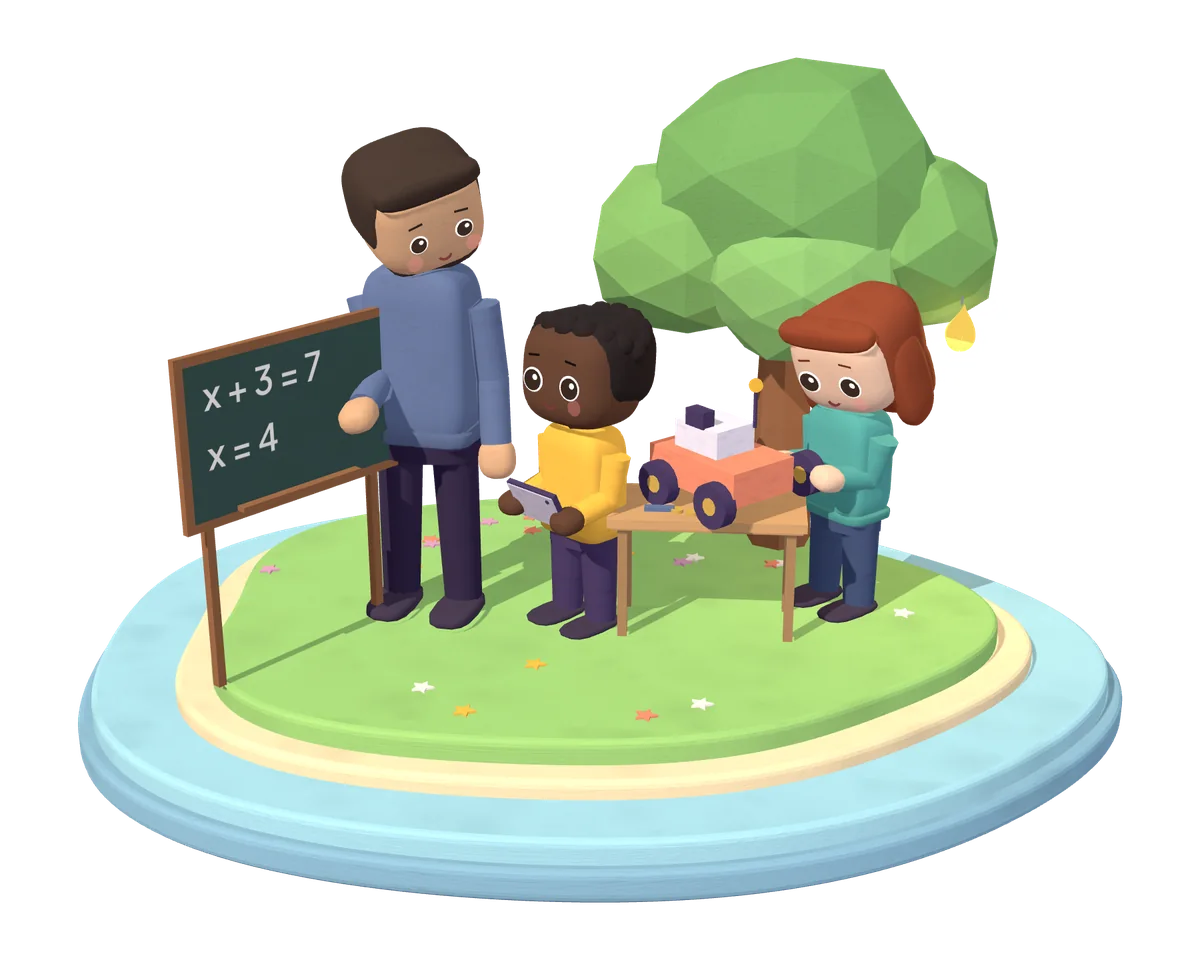
On a paper island, a mentor points to x + 3 = 7 on a chalkboard as a student holding a tablet looks up, while another student fits the last wheel on the rover they built.

Middle years · Grades 7 and 8

Close the gaps, raise the bar, before high school begins.

Your child is about to meet abstract math and writing that has to argue. They reach Grade 9 with the gaps closed and the habits to lead their own work.

At a glance

Middle years

Grades
Grades 7 and 8
Who it’s for
Grade 7 and 8 learners getting ready for high school
Focus
Algebra, argument writing and leading their own work
Languages
English and French

Starts with: A diagnostic assessment, free for founding families, and a written learning plan

Tutoring+ If your child is struggling, the program starts as tutoring: the gaps that would follow them into Grade 9 are traced to the root and closed first.

Math tutoringReading and writing tutoringCatching upStudy skillsEnrichment

A year at Hikmah

Mateo found quick answers he couldn’t explain. By June, he could show every step.

Mateo, Grade 7
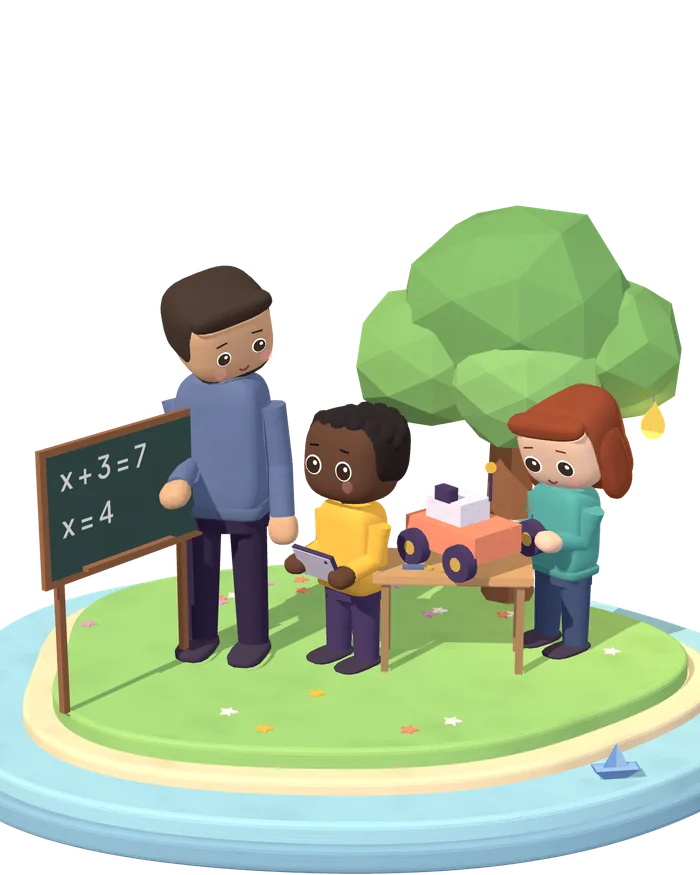
A mentor points to x + 3 = 7 on a chalkboard as students finish the rover they built.

Illustrative example.

  1. September

    Quick, and coasting

    Mateo argues well at dinner. On paper, his paragraphs wandered, and in math he reached answers he couldn’t explain.

  2. The diagnostic

    Two roots, not one

    Negative numbers were making early algebra feel random, and his writing had ideas but no structure. His plan named both.

  3. Midwinter

    A debate on a real question

    Should Ottawa add bike lanes downtown? He gathered evidence and debated in front of families. The rule: state the other side fairly first.

  4. June

    He could say how

    Mateo solved two-step equations and explained each step. When homework got hard, he made a plan instead of giving up.

The project, up close

Project board

A debate on bike lanes downtown

Mateo, Grade 7, and two teammates

Audience: Families and other learners

Milestone 2 of 3

Research2

  • Gather evidence on both sidesDone
  • State the other side fairlyDone

Build the case3

  • Draft the opening speechDone
  • Graph the evidenceIn progress
  • Prepare the rebuttalIn progress

Debate2

Their reflection
“I couldn’t argue our side until I could say theirs fairly.”

Capacities it builds

  • Think critically
  • Communicate
  • Lead

Illustrative example.

What they learn

Ready for high school, in the right order.

The foundations

  • Math

    From arithmetic to algebra, one secure step at a time.

    • Integers
    • Ratios, rates and percent
    • Expressions and equations
    • Linear relations
  • Writing

    From paragraphs to arguments a reader can follow.

    • Claim, evidence, reasoning
    • Persuasive paragraphs
    • Longer, organized pieces
    • Using sources honestly
  • Reasoning

    Thinking about a question before answering it.

    • Evidence or opinion?
    • Spotting a weak argument
    • Stating the other side fairly
    • Disagreeing with respect
  • Leading their own work

    The habits high school expects.

    • Breaking a project into steps
    • Meeting deadlines
    • Working in a team
    • Reflecting on what to change

Six capacities AI can’t replace, at this age.

What each one can look like in this program.

  • Think critically

    Telling evidence from opinion in a news article.

  • Create

    Designing a small invention for an everyday problem.

  • Solve problems

    Tracing an algebra mistake back to a negative-number step.

  • Decide

    Choosing which survey questions are fair to ask.

  • Communicate

    Writing a claim with evidence, then defending it in a debate.

  • Lead

    Keeping a team project on its steps and deadlines.

Illustrative example.

At this age

More ownership, real stakes, on the Grade 7 and 8 curriculum.

What the Hikmah model looks like in the middle years. Choose a question.

Focused sprints, then work that matters to them.

Practice built from their own errors, a quick debate drill, then a team project with a real deadline.

  • One skill per practice sprint
  • Debate to keep minds active
  • Planning their own week builds lasting focus

Illustrative screen. The Hikmah platform is in development.

Inside the program

Six moments that make up the program.

Step through what your child will meet, from the first diagnostic to the progress update you receive each month.

The method, step by step

01 · Before the first session

The diagnostic

Tasks that show why answers go wrong. The root is often two or three grades back.

An example week

  1. MondayMath

    A short lesson, then practice built from their own errors.

  2. TuesdayWriting

    One persuasive paragraph, drafted and revised.

  3. WednesdayCheck and goals

    A mastery check, then they set the week’s goals.

  4. ThursdayProject

    Team time on survey questions, data or a debate case.

  5. FridayDebate

    A short structured debate on a question from the news.

Illustrative example. Schedules will be shared with founding families before we open.

What parents see

Every month, a clear picture.

Once a month, your child’s mentor sends you a progress update in plain words: the skills mastered, what comes next and one thing to try at home.

How to start

  1. Join our founding families
  2. A free diagnostic assessment when we open
  3. A written learning plan, then the first session
Join the founding families

Wondering who your child’s mentor will be? How we choose, check and train mentors

Mateo

Grade 7 · January

From Mateo’s mentor

January

This month Mateo mastered operations with integers. We traced his algebra errors to subtracting negative numbers and fixed that first. His debate paragraphs now open with a clear claim; his conclusions still rush.

Next

One- and two-step equations, and a conclusion that answers the other side.

Illustrative screen. The Hikmah platform is in development.

Questions from parents

What parents of Grade 7 and 8 learners ask us.

Is this tutoring, or for children who are doing fine?

Both. Grades 7 and 8 are the easiest time to fix a gap, before algebra and argument writing step up in Grade 9, so a struggling child starts with tutoring at the root. If there’s nothing to fix, we raise the bar.

How does this fit with school and homework?

We plan around what your child is learning in class and the load they already carry. Upcoming school work can become practice, so the two help each other.

What about French immersion?

Hikmah is bilingual. How we’ll support learners in French, and in which subjects, will be shared with founding families before we open.

How is AI used?

Mentors use it to prepare practice. Learners use it in supervised ways, such as asking it to argue against their thesis, and always do the thinking first.

Start high school ready.

Join our founding families. When we open, a free diagnostic assessment shows where your child stands before Grade 9 does.