
Founding families get a free diagnostic assessment. Join the waitlist →

Coming soon to OttawaFrançais

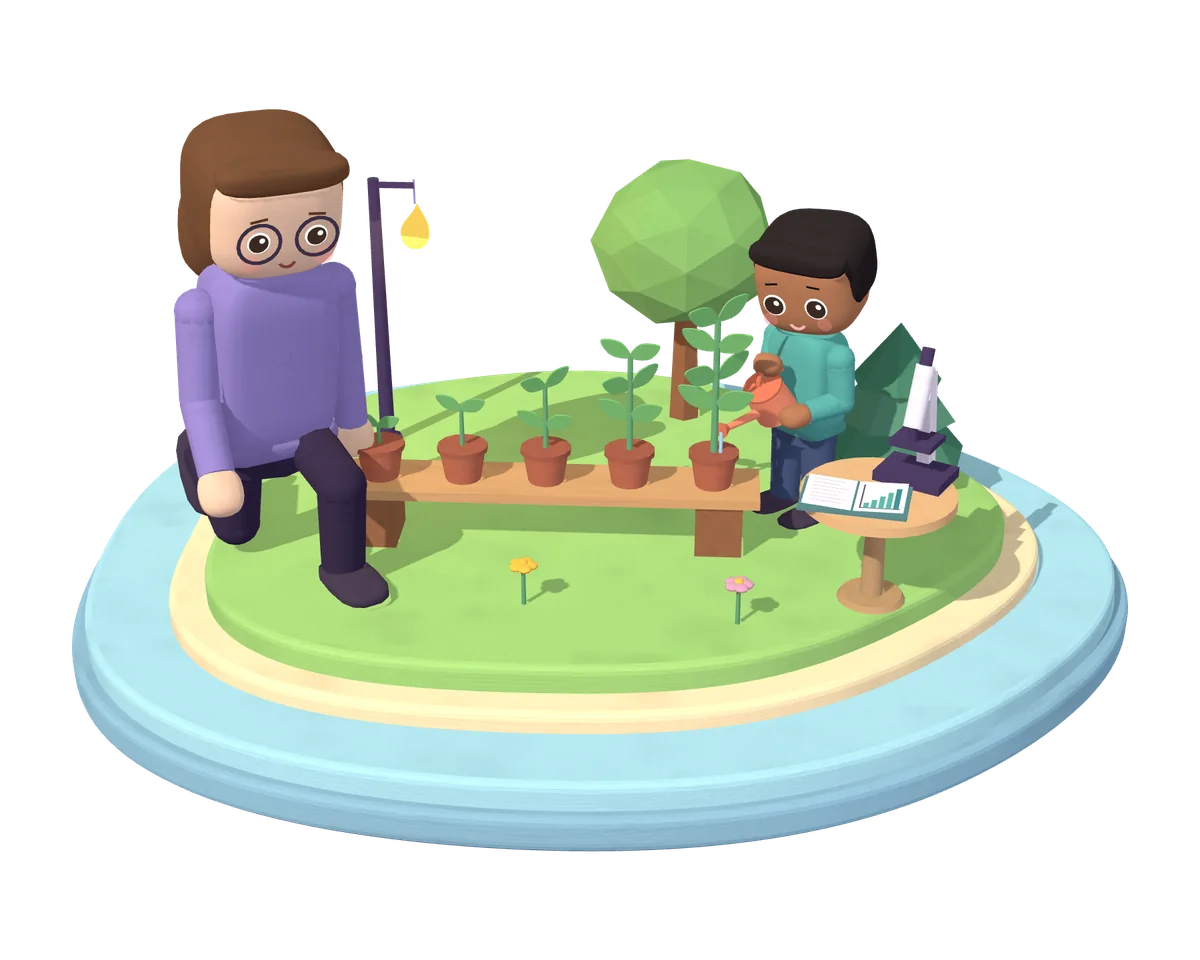
On a paper island, a boy waters the tallest of five seedlings that grow taller from left to right while his mentor kneels by the smallest, next to a microscope and a notebook showing a rising bar chart.

The science we build on

We build on how children really learn.

Your child’s plan rests on eight well-established ideas from the science of learning. Here they are in plain words, with what each looks like at Hikmah.

The eight ideas

One method, eight ideas behind it.

None of these ideas is new, and none is ours. What’s rare is putting all of them to work for one child at a time.

What this page is, and isn’t

  • Well established Findings that have held up across many studies, in general terms.
  • Applied by people A mentor decides how each idea fits your child.
  • Our results come later We’ll publish what we measure, methods first.
  1. 01Mastery learningBuild it solid.
  2. 02Worked examples to independenceBuild it solid.
  3. 03Feedback, and a mentor who knows themBuild it solid.
  4. 04Retrieval practiceMake it last.
  5. 05Spaced practiceMake it last.
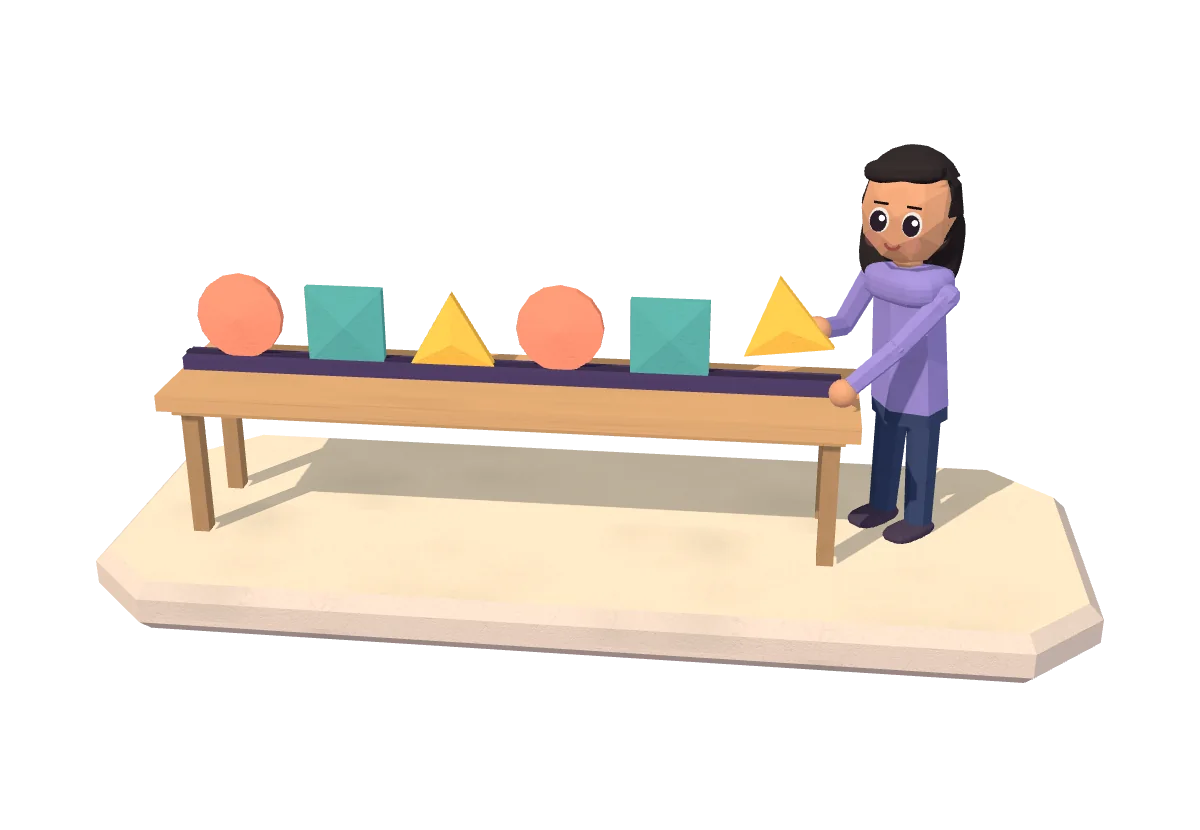
  6. 06InterleavingMake it last.
  7. 07Project-based learningMake it matter.
  8. 08Motivation and attentionMake it matter.

Part one

Build it solid.

Learning sticks when each step is secure before the next one goes on top.

Mastery

Mastery learning

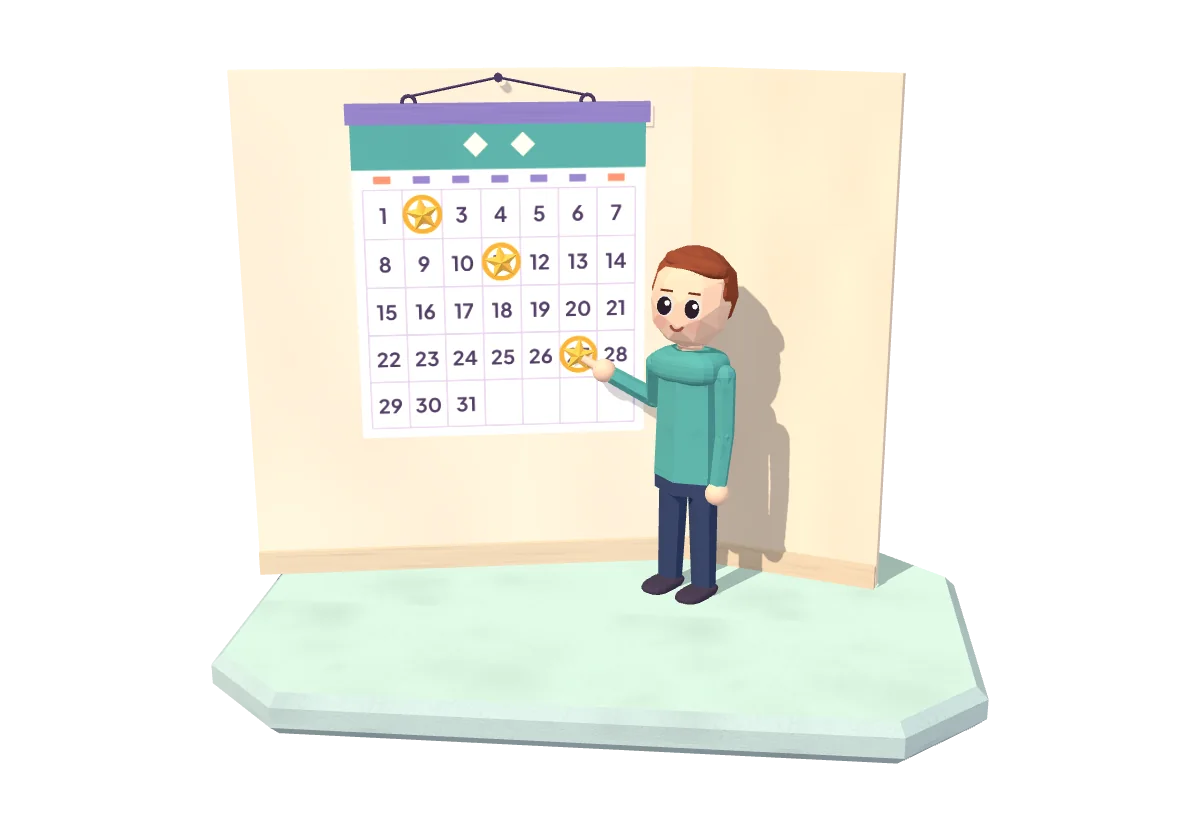
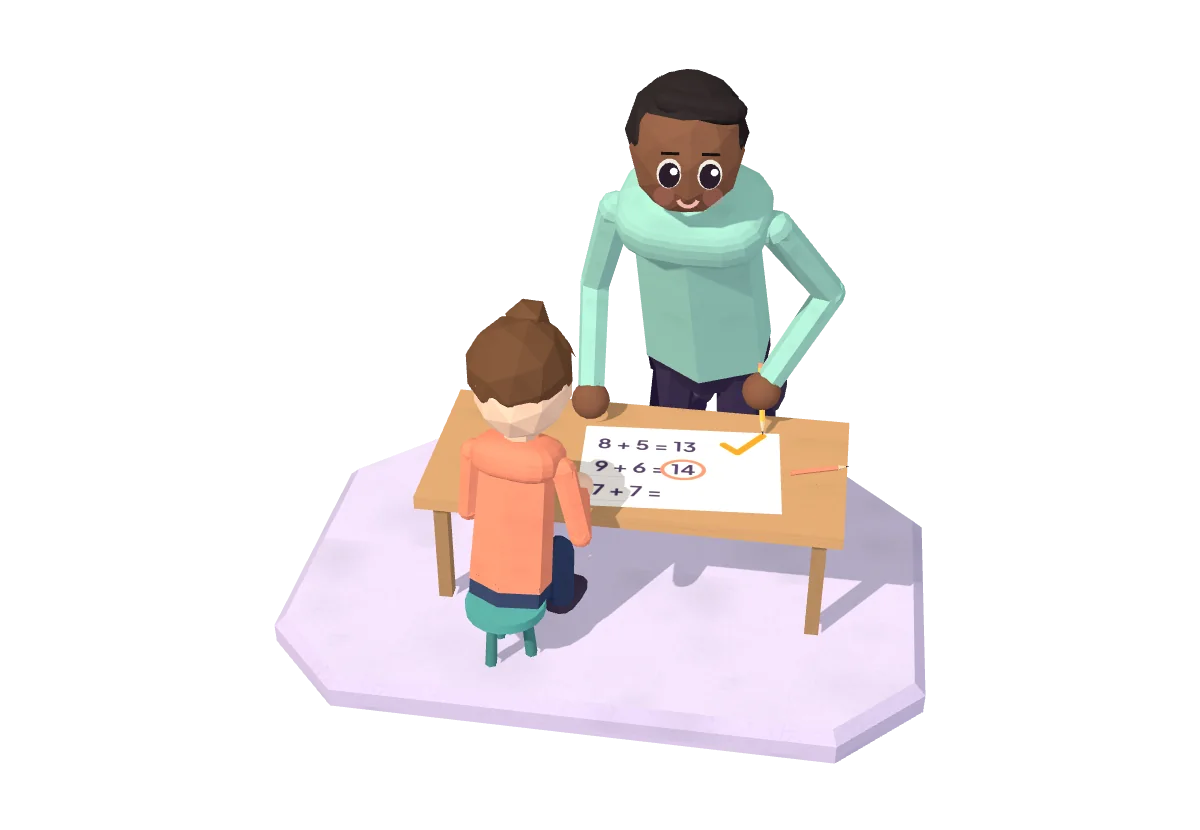
Move on when a skill is secure, not when the calendar says so.

Time is usually fixed and understanding varies. Mastery learning flips that: understanding is fixed, and time varies.

At Hikmah

  • A skill map built on the Ontario curriculum
  • Short checks before anything new
  • Ahead of grade, on solid ground
See adaptive learning
Go deeper

What the research says

When students move on only after mastering each step, with feedback and correction along the way, they tend to learn more. In one large review, the effects appeared stronger for students who were struggling.
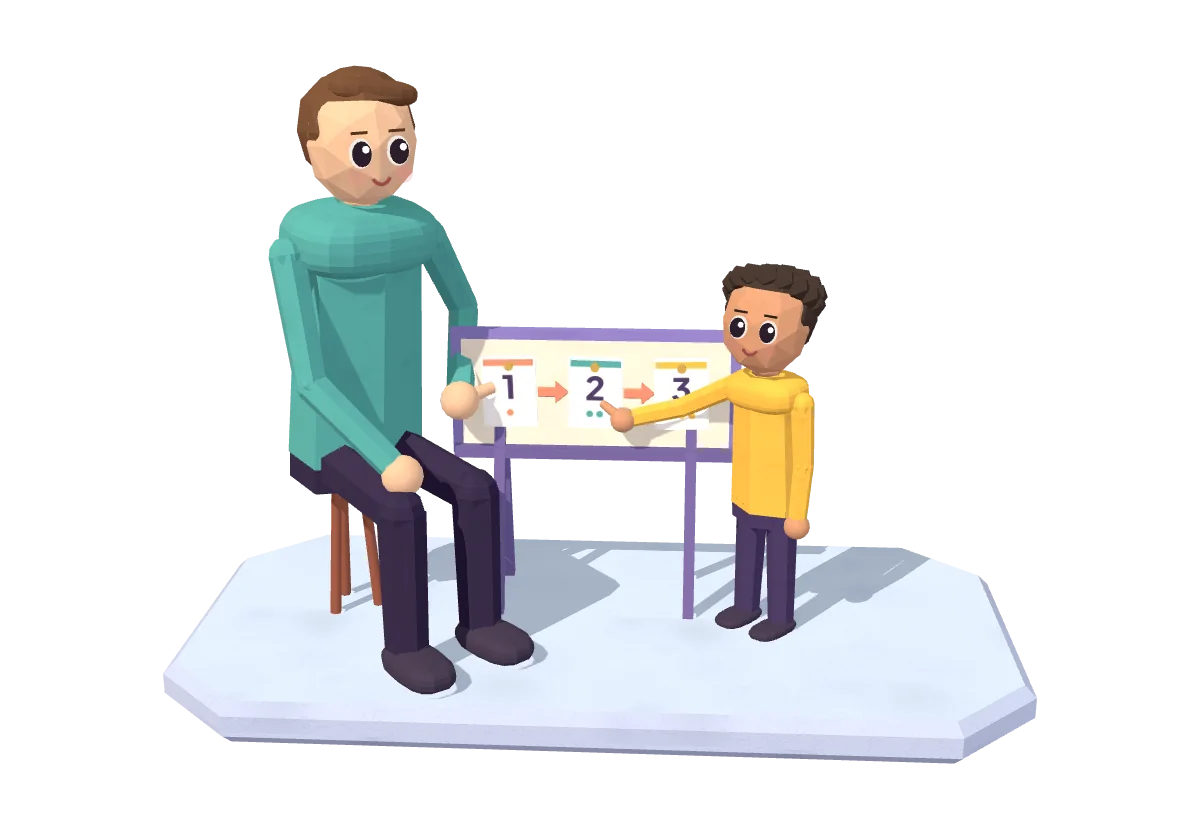
Source: Kulik, Kulik and Bangert-Drowns (1990). Effectiveness of mastery learning programs: A meta-analysis. Review of Educational Research.

Part two

Make it last.

Understanding today isn’t remembering in March. These three ideas are about memory.

Memory

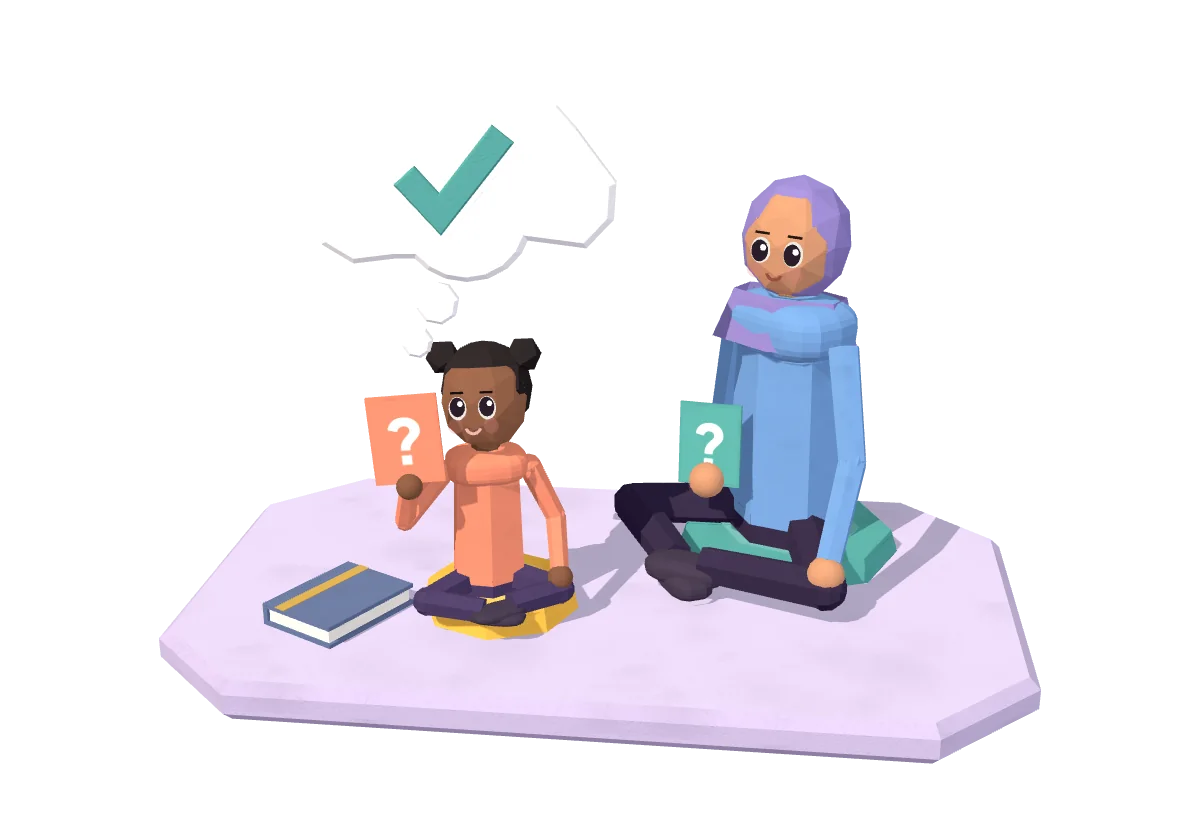
Retrieval practice

Pulling an idea out of memory makes it stronger than reading it again.

Rereading feels productive but fades fast. Low-stakes quizzes are part of how learning happens.

At Hikmah

  • A recall warm-up opens each session
  • Short, frequent, low-stakes checks
  • Questions that look different each time
See the technology
Go deeper

What the research says

Recalling something strengthens memory more than rereading it. That’s why our mastery checks are short and frequent.

Source: Roediger and Karpicke (2006). Test-enhanced learning: Taking memory tests improves long-term retention. Psychological Science.

Part three

Make it matter.

Children work hardest when the work is real and the progress is visible.

Projects

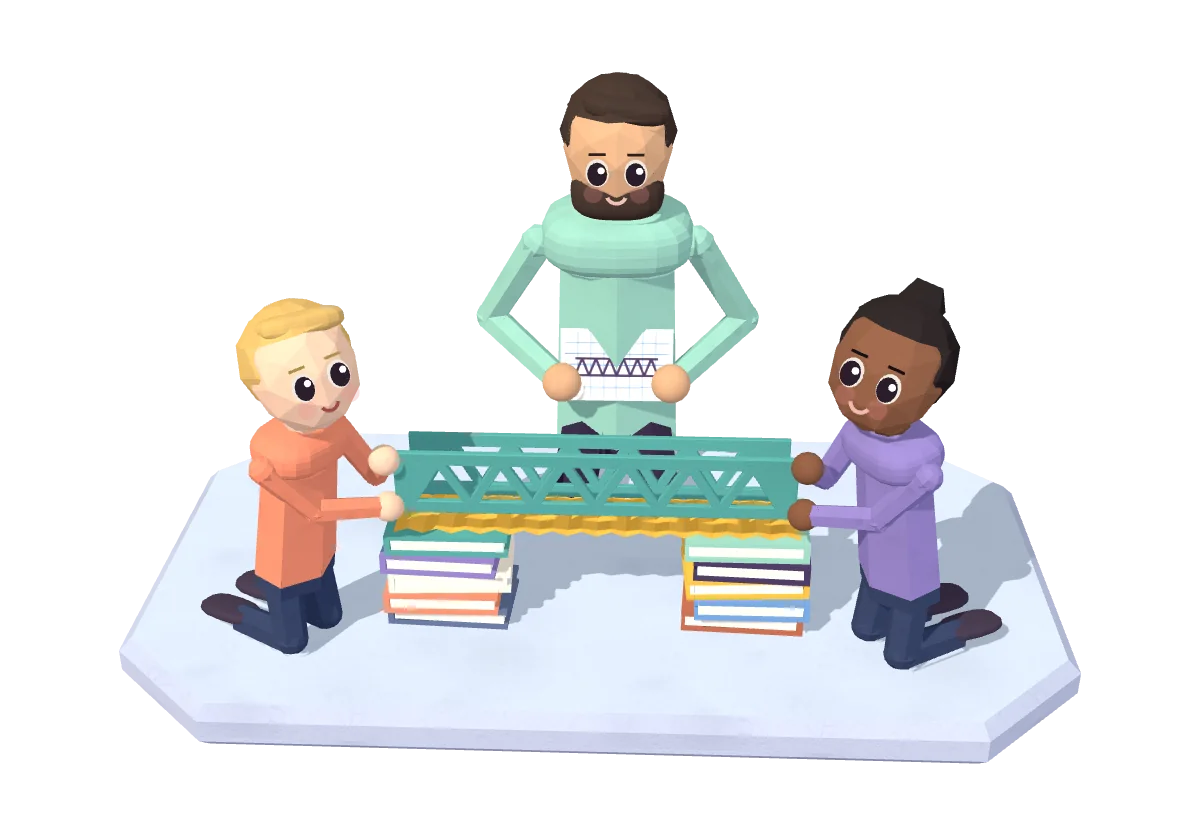
Project-based learning

Use what you know to make something real, for a real audience.

Projects give skills somewhere to go. Children learn most when an adult guides a well-designed one closely.

At Hikmah

  • A project with a real audience each unit
  • Built on skills already mastered
  • A portfolio of what your child can do
See project-based learning
Go deeper

What the research says

Reviews find project-based learning promising, especially when projects are well designed and the adults running them are well prepared. That’s why our mentors will be trained to design and lead projects.

Source: Condliffe and colleagues (2017). Project-Based Learning: A Literature Review. MDRC.

In one session

Eight ideas fit in one session.

How the ideas fit together in a single session: each block is short, and each has a job.

  1. 01

    Recall warm-up

    A few quick questions on skills from past weeks.

    RetrievalSpacing
  2. 02

    One new idea

    Shown with a worked example, then tried together.

    Worked examples
  3. 03

    Mixed practice

    New and old problem types, side by side.

    Interleaving
  4. 04

    Mastery check

    Short, low-stakes, with feedback right away.

    MasteryFeedback
  5. 05

    Project time

    Putting the skill to work on something real.

    Projects
  6. 06

    Look back

    What changed, a ring filled, what’s next.

    Attention

Illustrative example. Real sessions follow each child’s plan.

See the science at work.

Founding families get a free diagnostic assessment: a clear picture of where your child is, and where to start.