
Community programs
Learning close to home. Where your community gathers.
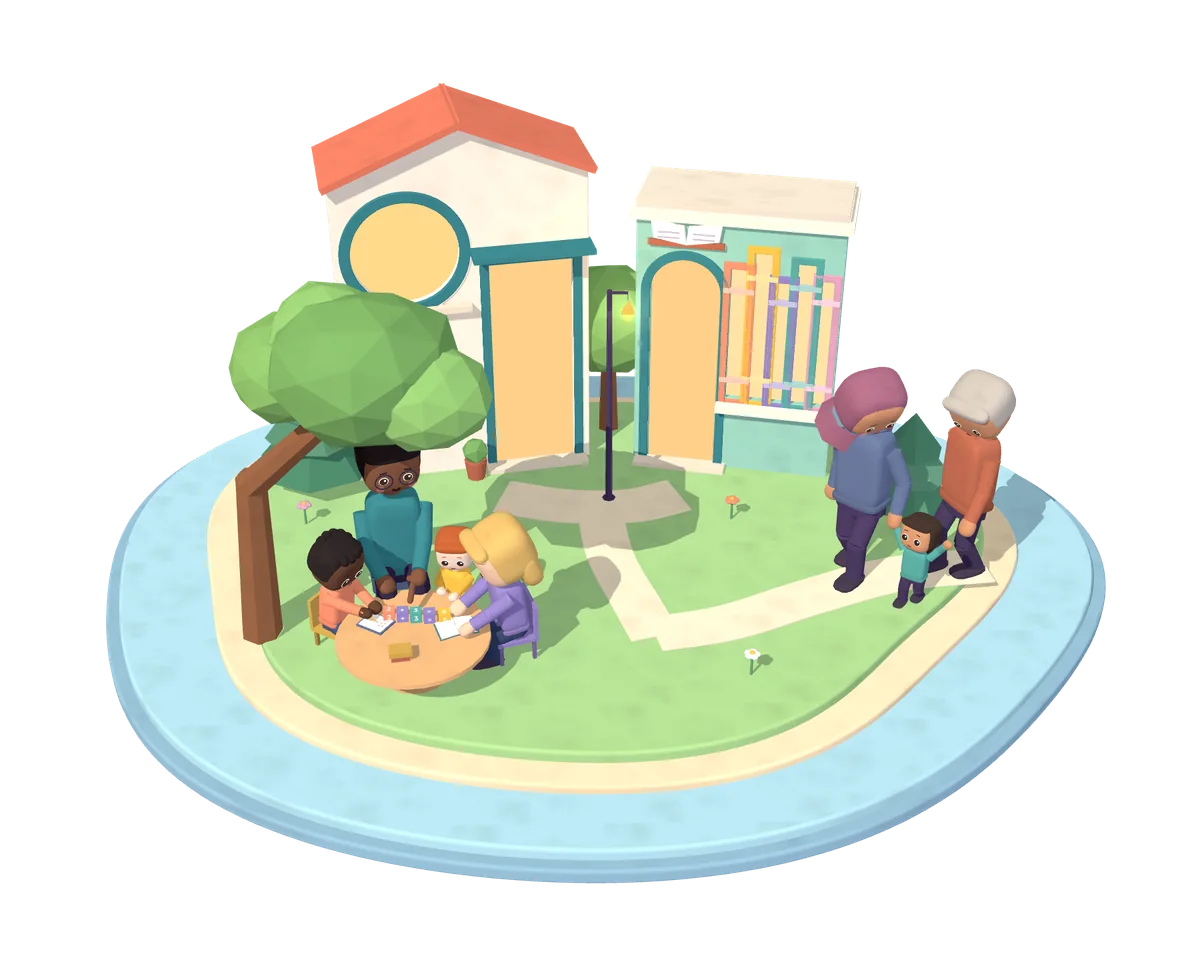
Your community’s children can learn after school, close to home, where you already gather: places of worship of every faith, community centres and libraries. You bring the space; we bring the mentors and the plan.
- Every faith and none
- Grades 1 to 12
- English or French
Where programs can run
Every community. An equal welcome.
The program runs the same way in every space. What changes is the neighbourhood around it.
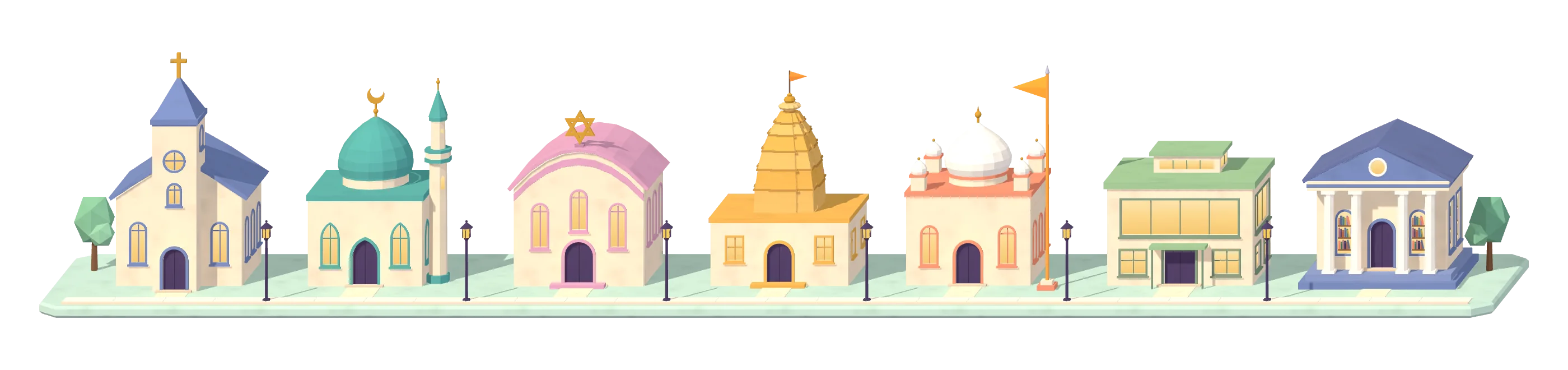
Churches
Parish halls and classrooms on weekday afternoons.
Mosques
Classrooms and halls already used for learning.
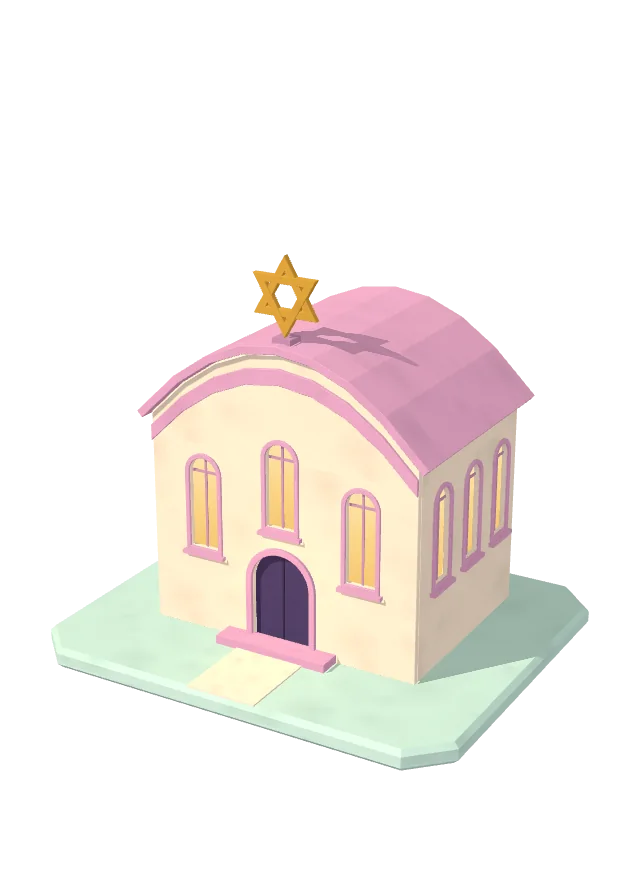
Synagogues
Classrooms and community rooms after school.
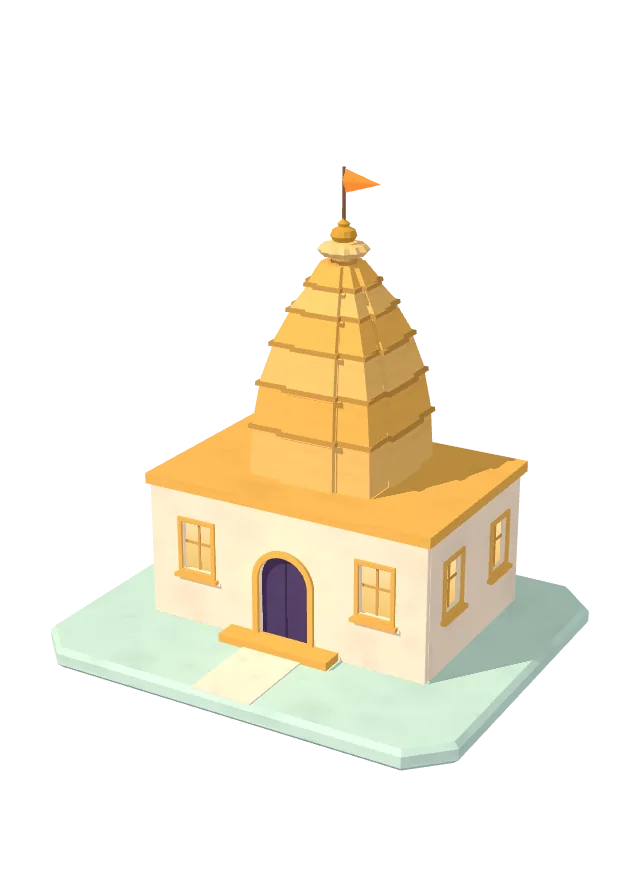
Temples
Halls and rooms set aside for learning and gathering.
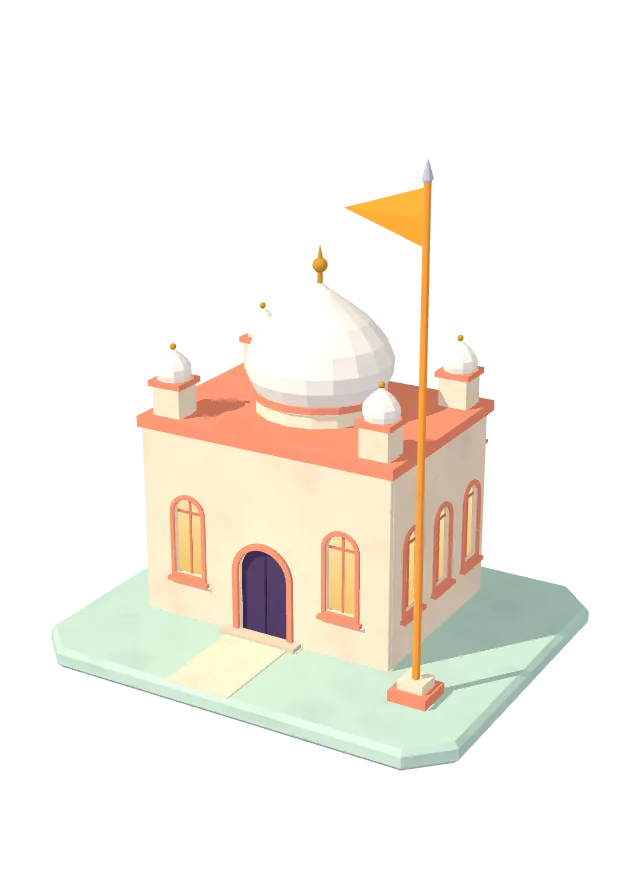
Gurdwaras
Halls and classrooms close to families’ homes.
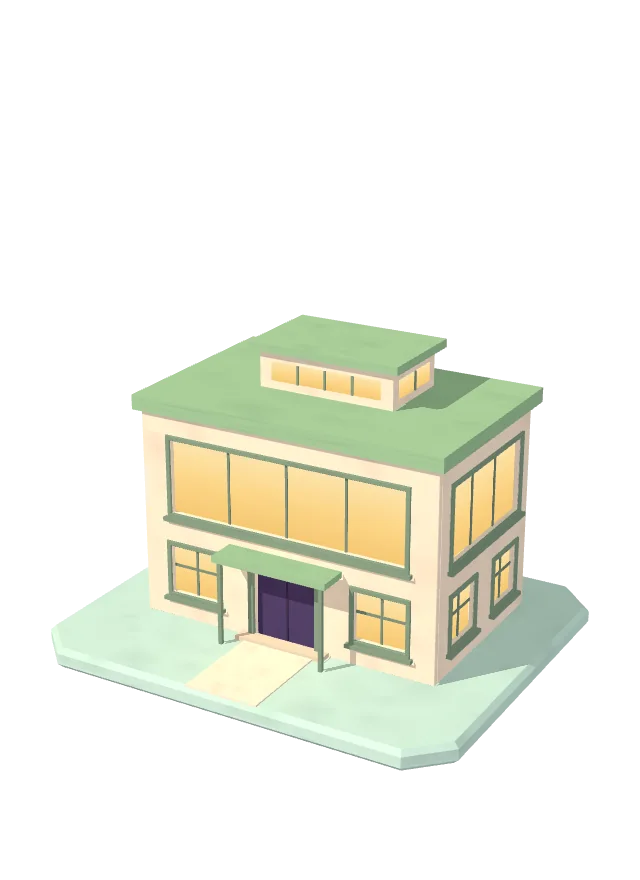
Community centres
Program rooms already set up for after-school groups.
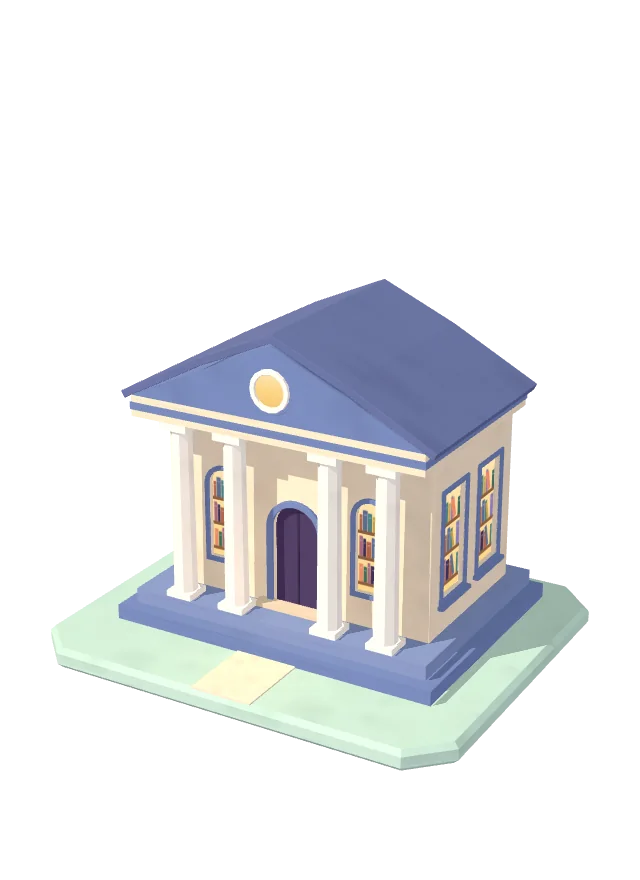
Libraries
Meeting rooms in the middle of the neighbourhood.
Your space
Another place where families gather? Tell us about it.
Tell us about your space
What children learn
Secular content. Open to every child.
Strong foundations, real thinking and projects children are proud of. It teaches no religion and replaces nothing your community already teaches.
Foundations
Math, reading and writing, starting from a diagnostic so each child works on what they need.
Thinking
Socratic questions, logic and discussion: reasoning out loud and listening well.
Projects
Something real, often about their own neighbourhood, presented to the people around them.
Your community brings
- A safe, welcoming space
- A regular time in the week
- Families who want to take part
- A contact person on your side
Hikmah brings
- Trained mentors
- A diagnostic for each child
- The program, materials and plan
- A progress update for each family every month
- A showcase at the end of each season
How it works for a community partner
Five steps, from first visit to showcase.
Space and schedule
We visit the room with you and agree on a regular weekly time.
Families join
You spread the word; families join through Hikmah. Every child is welcome, member or not.
A diagnostic for each child
In math, reading and writing, so the mentor knows exactly where to start.
Hikmah mentors run the sessions
They follow each child’s plan and send families a progress update each month.
A community showcase
Each season ends with children presenting their projects in your space.
Safeguarding and privacy. Every mentor meets our selection standard and passes a police vulnerable sector check before working with children. We collect only what teaching needs, with family consent, and never sell it.
Inside a session
One afternoon, part by part.
Five parts in one afternoon. Choose a part, or play the whole session.
Illustrative example. Session plans are set with each community partner.
01 / 05
Arrive and settle
A snack, a hello and a check-in.
- Children
- Find their seat and say what they’re working on.
- Mentors
- Greet each child by name; spot who needs a quiet start.
02 / 05
Foundations practice
Each child works on their own plan.
- Children
- Practise at their level, then a mastery check.
- Mentors
- Sit with small groups and trace errors to the root.
03 / 05
Thinking circle
A short discussion of one good question.
- Children
- Give reasons, listen and build on what they hear.
- Mentors
- Ask Socratic questions and make room for every voice.
04 / 05
Project studio
Teams move their season project forward.
- Children
- Plan, build, test and revise with their team.
- Mentors
- Coach each team toward its next step.
05 / 05
Share and close
Each child names one thing they learned.
- Children
- Share one win and one question for next time.
- Mentors
- Note what changed for each family’s progress update.
What your space needs
Probably less than you think.
Tick what you already have; we can talk through the rest.
Choose a rhythm that fits your community.
Weekly after-school program
Weekday afternoonsA session each week through the school year, with a showcase each season.
Weekend mornings
Saturday or SundayA longer session for spaces that are busy during the week.
Project season
One season of the yearOne project, one season, ending in a showcase. A good way to start.
School-break programs
Winter, March and summer breaksProjects, logic games and foundations practice while school is out.
Family learning evenings
Occasional eveningsParents and children learn side by side and see how the program works.
The community showcase
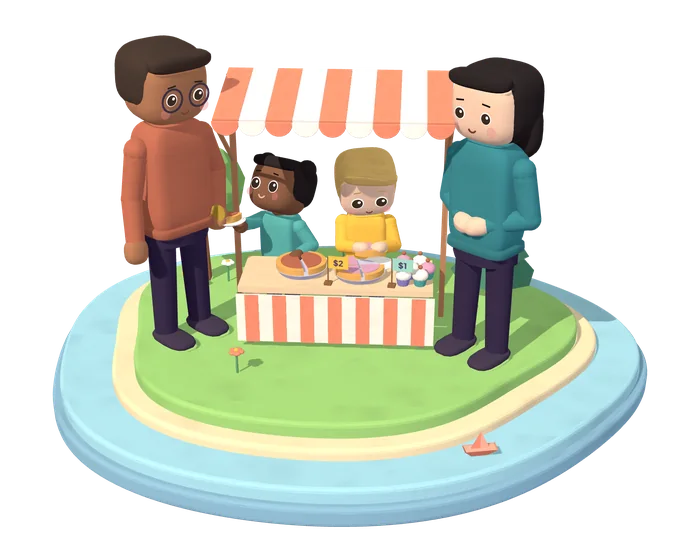
Children present. Their community listens.
Each season ends with children presenting their projects to families and neighbours in your space. It is often when a community sees what its children can do.
A map of safe walking routes to school
A field guide to the trees on our street
A plan for a neighbourhood food drive
A short history of our neighbourhood
Illustrative examples.
Questions from communities
Here’s what communities ask us.
Is the program religious?
No. It teaches foundations, thinking and projects, the same way in every space.
Do children have to belong to our community?
No. Programs are open to every family nearby, of every faith and none.
What does our community need to provide?
A suitable room, a regular time and a contact person. The checklist above shows the rest.
What does it cost, and who pays?
Every program is designed with the community partner, and costs are set out in writing before anything begins.
Bring Hikmah to your community.
Tell us about your space and the families you serve. We’ll reply to arrange a visit.