
StatusIn preparation · the full piece will follow our opening
What a test can and can’t see
Tests are useful. They tell us quickly whether a skill is there. But they rarely ask a child to choose a problem, plan over weeks, recover from a mistake or explain their work to someone who wasn’t in the room. Those are the things adults spend most of their working lives doing.
Why the audience matters
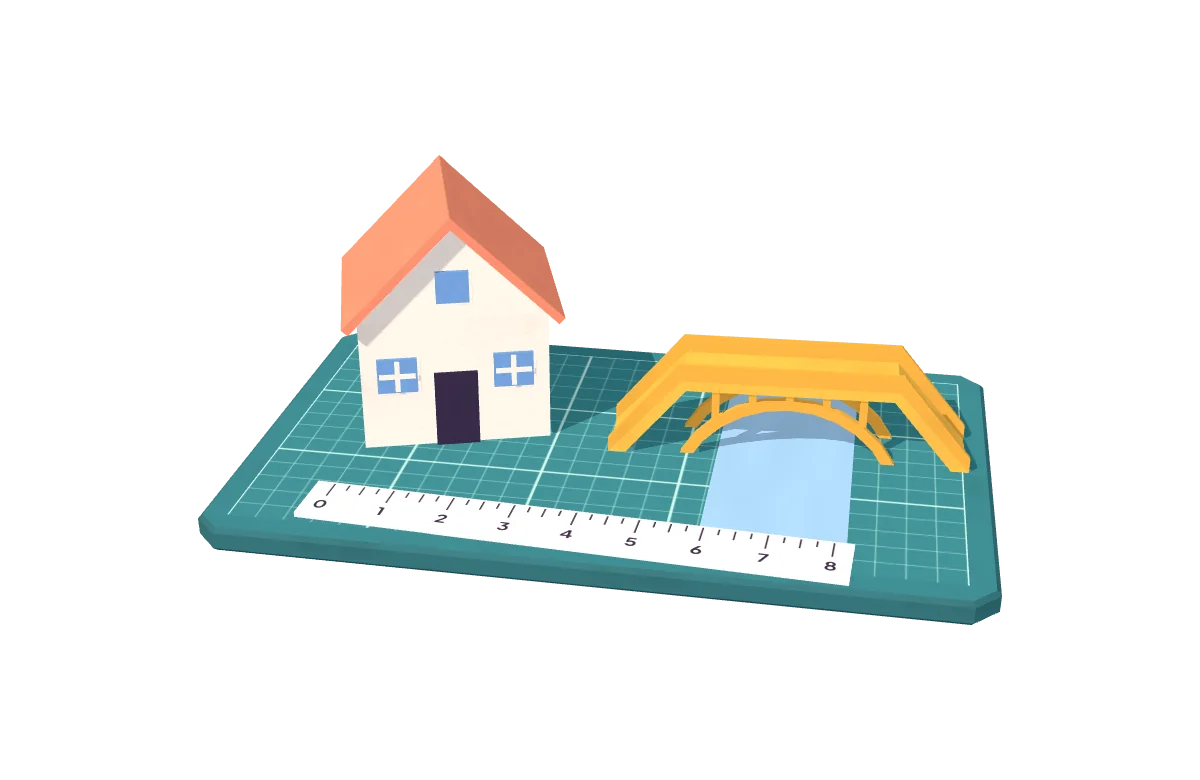
When a child knows a real person will read their letter, test their bridge or hear their talk, the work changes. They check it more carefully. They think about what the other person needs to understand. The audience turns an exercise into something that matters.
Projects show what a child can do with what they know.
Foundations inside the project
Good projects don’t replace practice; they give it a reason. A child planning a budget for a class event uses fractions and percentages for a purpose. A persuasive letter to a city councillor needs clear sentences and a well-ordered argument. The full piece will show how we plan projects so the core skills are inside them.
What you’ll take away
- 01Projects show what a child can do with what they know.
- 02A real audience raises the standard on its own.
- 03The best projects have core skills built in.